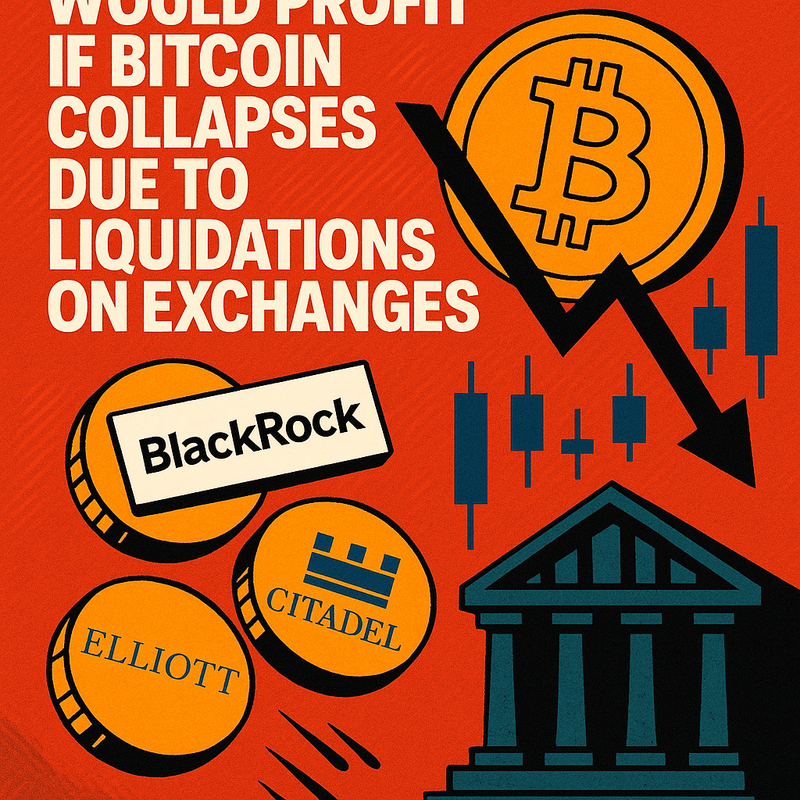
Which firms would profit if Bitcoin collapses due to liquidations on exchanges
The Bitcoin Oil Revolution: How Crypto Could Redraw Global Power Lines
What happens when the world's most powerful commodity meets the world's most disruptive technology? The geopolitical chessboard is about to be flipped.
March 28, 2025 • Geopolitical AnalysisImagine a world where Russia sells oil to China without touching the dollar. Where Iran bypasses sanctions with a few lines of code. Where the petrodollar system—the foundation of American financial dominance for 50 years—crumbles overnight.
This isn't science fiction. It's already happening.
Countries are using Bitcoin to rewrite the rules of global trade. And while politicians debate, smart traders are positioning themselves for the biggest wealth transfer in modern history.
The End of Financial Sanctions As We Know Them
The Surveillance Gap
Traditional sanctions rely on monitoring banking systems. Bitcoin's decentralized nature creates blind spots that sanctioned entities are already exploiting.
For decades, financial sanctions have been America's weapon of choice. Freeze assets. Block SWIFT access. Cripple economies without firing a shot.
But Bitcoin changes everything. Its pseudonymous, borderless nature allows sanctioned countries to conduct oil transactions completely outside traditional banking systems.
How Sanctioned Countries Are Already Evading Controls
- Russia is using cryptocurrency to bypass Western sanctions in oil trades, with Reuters reporting active experimentation since early 2025
- Iran has leveraged Bitcoin mining and crypto payments to circumvent oil embargoes and maintain economic activity
- Venezuela pioneered using cryptocurrency for oil-backed financial instruments when traditional channels were closed
"The decentralized nature of Bitcoin creates fundamental challenges for enforcement authorities who rely on monitoring centralized financial channels." - Chainalysis 2025 Crypto Crime Report
These aren't theoretical scenarios. They're active strategies being deployed right now by nations that have nothing left to lose.
The Geopolitical Power Shift: Who Wins, Who Loses
Losers: Traditional Financial Powers
The U.S. dollar's dominance as the global reserve currency diminishes as oil moves to Bitcoin settlement. Sanction leverage evaporates when countries can trade outside the system.
Winners: Crypto-Adaptive Nations
Countries with advanced crypto infrastructure (China, Russia) gain new economic influence. They become alternative financial hubs for sanctioned states seeking trade partners.
The Petrodollar's Impending Obsolescence
Since the 1970s, oil traded exclusively in dollars has been the bedrock of American financial hegemony. Every country needed dollars to buy oil, creating constant global demand for U.S. currency.
Bitcoin breaks this monopoly. When oil trades for BTC, the dollar becomes optional. The entire foundation of modern financial power shifts beneath our feet.
Enhanced Financial Sovereignty
Sanctioned states can maintain trade flows and economic activity despite political isolation, reducing the effectiveness of economic warfare.
The Enforcement Arms Race Has Already Begun
Authorities aren't sitting idle. The U.S. Treasury Department is rapidly adapting with:
- Advanced blockchain analytics to track suspicious transactions
- Targeted sanctions against crypto exchanges and mixing services
- International cooperation to identify sanction violators
- Civil asset forfeiture actions against crypto tied to sanction evasion
Important: This analysis is for informational purposes only. Past performance does not guarantee future results. Malosignals provides trading alerts, not financial advice.
But this is a cat-and-mouse game where the mice have infinite hiding places. For every mixer shut down, two new privacy solutions emerge.
What This Means for Crypto Traders
Geopolitical shifts create massive volatility. And volatility creates opportunity.
When Russia started experimenting with crypto oil trades in early 2025, Bitcoin surged 18% in two weeks. When enforcement actions were announced, it corrected 12%.
These aren't random price movements—they're predictable reactions to geopolitical events. The traders who understand these patterns profit while others panic.
The Intelligence Edge
Most traders react to news hours or days too late. They buy the top and sell the bottom, following emotional impulses rather than strategic analysis.
Smart traders position themselves before the moves happen. They understand the geopolitical context and anticipate market reactions.
Stop Following the News—Start Anticipating It
While politicians debate and journalists report, strategic traders are already positioned for the next major move.
Join 15,000+ traders who get ahead of major moves. Cancel anytime.